
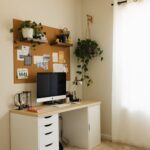


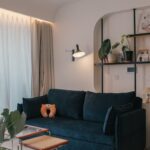

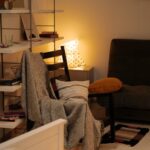
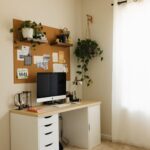


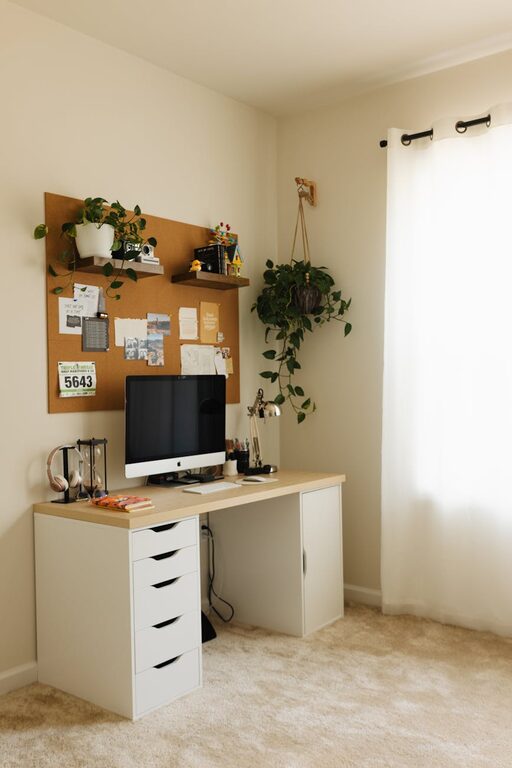
Working from home has become a common part of many people’s lives. Whether you’re freelancing, running a business, or just doing some remote days, having the right home office environment is essential. A space that is both relaxing and productive helps you focus better, reduce stress, and maintain a healthy work-life balance. In this guide, you’ll find practical tips for creating an ideal home office that meets these goals.
Choose the Right Location
Selecting the right spot for your office is the first step. Ideally, pick a quiet corner or a spare room where interruptions are minimal. Avoid setting up your workspace in areas with high foot traffic or close to distractions like the TV or kitchen.
– Look for natural light, which improves mood and reduces eye strain.
– Consider a space with enough room for your desk, chair, and storage.
– If you don’t have a separate room, use screens or partitions to create a defined area.
Invest in Comfortable and Ergonomic Furniture
Your furniture significantly impacts both comfort and productivity. Spend time choosing ergonomic items that support your posture and reduce fatigue.
– Use an adjustable office chair with lumbar support.
– Select a desk at the correct height to avoid strain on your wrists and shoulders.
– Consider a sit-stand desk if you like to alternate between sitting and standing during the day.
– Position your monitor(s) at eye level to prevent neck pain.
Keep Your Workspace Organised
Clutter can increase stress and distract you from your tasks. Maintaining an organised workspace helps you stay focused and efficient.
– Use drawers, shelves, and organisers to keep supplies tidy.
– Only keep essential items on your desk.
– Sort cables with clips or ties to avoid a tangled mess.
– Schedule regular cleaning and decluttering sessions.
Personalise Your Space Thoughtfully
Adding personal touches makes your workspace inviting and motivating, but avoid overdoing it.
– Incorporate plants to add greenery and improve air quality.
– Hang art or photos that inspire you.
– Choose colours that promote calmness, such as soft blues or greens.
– Use scented candles or diffusers with subtle scents like lavender or citrus.
Optimise Lighting for Comfort and Focus
Good lighting is critical to reduce eye strain and create a welcoming atmosphere.
– Make the most of natural daylight by positioning your desk nearby.
– Avoid glare on screens by using blinds or curtains.
– Use layered lighting: combine ambient overhead lights with task lighting like desk lamps.
– Choose bulbs that mimic daylight, as they can improve alertness.
Minimise Noise and Distractions
Creating a quiet environment helps you concentrate better during work hours.
– Use noise-cancelling headphones or white noise machines.
– Add soft furnishings like rugs and curtains to absorb sound.
– Set boundaries with family or housemates about your work time.
– Turn off non-essential notifications on your devices.
Establish a Routine and Boundaries
Having clear routines and boundaries promotes productivity and work-life balance.
– Create specific start and finish times for your workday.
– Take regular breaks to rest your eyes and stretch.
– Set rules for yourself and others about using the office space.
– Avoid working in your bedroom or on the sofa to protect relaxation areas.
Incorporate Technology Wisely
Technology tools can enhance productivity if chosen and organised thoughtfully.
– Arrange your devices ergonomically to reduce clutter.
– Use productivity apps or calendars to manage tasks and time.
– Ensure a stable internet connection and backup power options.
– Keep chargers and cables organised and accessible.
Enhance Air Quality and Comfort
A comfortable atmosphere supports focus and wellbeing.
– Open windows regularly to air the room.
– Use air purifiers or humidifiers if necessary.
– Maintain a comfortable room temperature, around 20-22℃.
– Take time to stretch or relax your body during breaks.
Final Thoughts
Creating a home office that balances relaxation and productivity is achievable with some intention and planning. By focusing on comfort, organisation, lighting, and personal touches, you can design a workspace that supports your work and wellbeing. Start with small changes and gradually improve your environment to find what works best for you. Your productivity and peace of mind will thank you.