
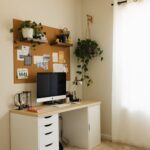


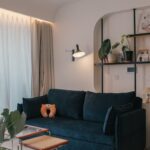

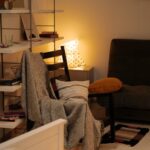
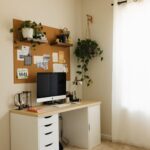


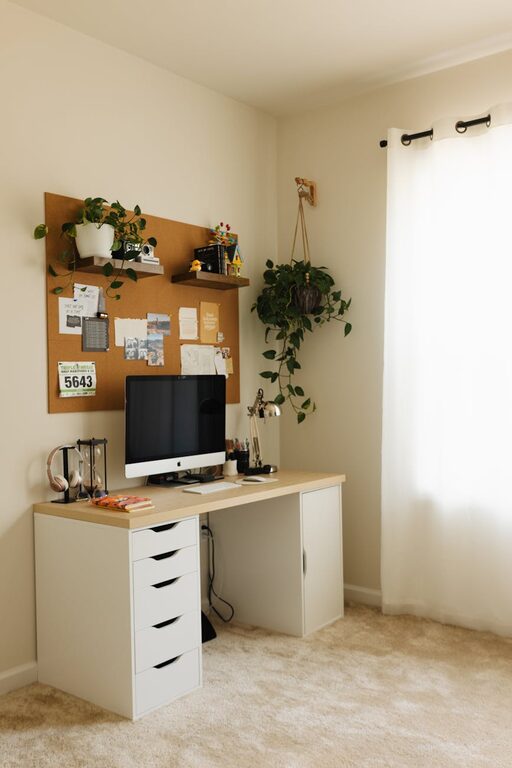
Creating a home workspace that is both relaxing and productive is essential for anyone working remotely or studying from home. The right environment can improve focus, reduce stress, and make your workday more enjoyable. This guide offers practical tips to help you design a workspace that suits your needs and promotes a healthy work-life balance.
Choose the Right Location
Selecting the ideal space for your home workspace is the first step. Consider the following:
– Quiet Area: Find a spot away from household noise and distractions.
– Natural Light: Set up near a window to benefit from daylight, which can enhance mood and energy.
– Privacy: Choose a location where you won’t be easily interrupted.
Even if space is limited, try to designate a specific area just for work. This helps your brain associate that spot with productivity.
Invest in Comfortable Furniture
Comfort plays a huge role in maintaining focus, especially during long work sessions.
– Ergonomic Chair: Choose a chair that supports your lower back and encourages good posture.
– Desk Height: Your desk should allow your forearms to rest comfortably parallel to the floor.
– Adjustability: If possible, use adjustable chairs and desks to switch between sitting and standing.
Good furniture may seem costly initially but investing in your comfort can prevent ailments like back pain and boost your efficiency.
Organise Your Workspace
A tidy workspace reduces distractions and saves time searching for items.
– Declutter Regularly: Keep only essential items on your desk.
– Storage Solutions: Use drawers, shelves, or organisers to store documents and supplies neatly.
– Cable Management: Use clips or ties to keep cables from tangling.
Consider digital organisation too, such as organising files and emails, which complements a neat physical space.
Personalise Your Space
Adding personal touches can make your workspace inviting and keep you motivated.
– Plants: Small indoor plants improve air quality and create a calming atmosphere.
– Artwork or Photos: Decorate with items that inspire or make you happy.
– Colour Scheme: Use colours that promote focus and calm, like blues, greens, or neutral tones.
Avoid cluttering with too many decor items, as the goal is balance.
Manage Lighting Effectively
Proper lighting reduces eye strain and sets the right mood.
– Natural Light: Maximise daylight but avoid glare on screens.
– Task Lighting: Use adjustable desk lamps for focused work.
– Ambient Lighting: Soft overhead lighting can complement your setup and reduce harsh contrasts.
Experiment with brightness levels to find what feels best for you.
Minimise Distractions
Creating boundaries helps maintain concentration during work hours.
– Set Clear Hours: Define and communicate your working times to family or housemates.
– Use Noise Control: Noise-cancelling headphones or background music can block distractions.
– Turn Off Notifications: Limit smartphone and app alerts during focused work periods.
Taking control of your environment fosters a professional mindset at home.
Incorporate Relaxation Elements
A relaxing workspace supports mental well-being and productivity.
– Break Area: Have a nearby space for short breaks and stretching.
– Essential Oils or Diffusers: Some scents like lavender or peppermint can promote calm or alertness.
– Comfort Items: Keep a cosy blanket or cushion for comfort during breaks.
Regular breaks pairing relaxation and movement prevent burnout.
Utilise Technology Wisely
The right tools can ease your workflow without overwhelming your space.
– Reliable Internet: Ensure a strong connection to avoid interruptions.
– Efficient Devices: Use computers and peripherals that meet your work requirements.
– Productivity Apps: Tools for time management, note-taking, and communication help keep you organised.
Keep technology minimal to avoid a cluttered desk.
Establish a Routine
Consistency trains your brain to switch into work mode.
– Morning Ritual: Start with activities like a short walk, meditation, or a healthy breakfast.
– Scheduled Tasks: Plan your day with priorities and breaks.
– End-of-Day Wrap-Up: Conclude by tidying your workspace and preparing for tomorrow.
Creating rituals adds structure to your day and reduces stress.
Prioritise Ergonomics and Movement
Avoid long periods of sitting by integrating movement into your routine.
– Work Stretches: Perform gentle stretches every hour.
– Active Sitting: Consider balance cushions or ergonomic aids.
– Standing Desks: Alternate between sitting and standing to promote circulation.
Taking care of your physical health supports sustained focus.
—
Designing a home workspace that balances relaxation and productivity takes some thoughtful planning but pays off with improved focus and well-being. By choosing the right location, investing in comfort, organising effectively, and personalising your space, you can create an environment where you enjoy working each day. Remember to establish routines, manage distractions, and take care of your body to maximise your home working experience.