





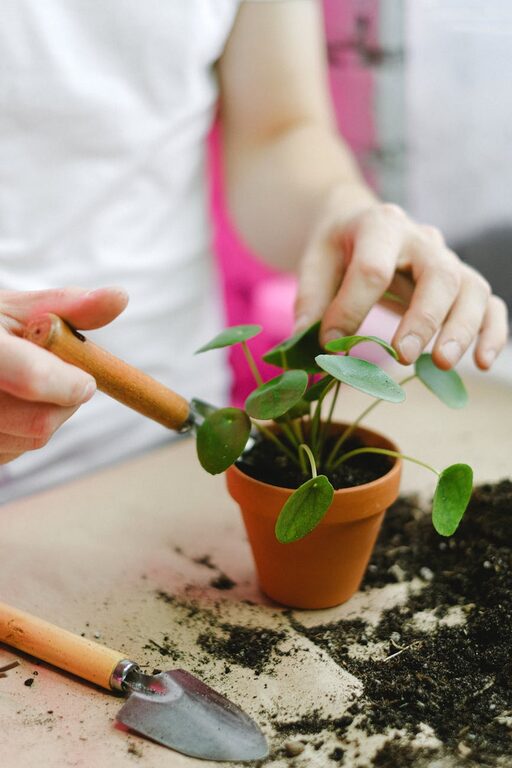
Indoor gardening is a wonderful way to bring a touch of nature into your home and enjoy the benefits of fresh greenery all year long. Whether you have a few potted herbs on your windowsill or a full collection of houseplants, keeping them healthy throughout the seasons requires some thoughtful care. With the right approach, your indoor garden can flourish regardless of the weather outside. Here are some simple tips to help you maintain a healthy indoor garden throughout the year.
Choose the Right Plants for Your Space
Before diving into care routines, it’s important to select plants suited to your home’s environment. Consider:
– Light levels: Some plants need bright, direct sunlight, while others thrive in low-light conditions.
– Temperature: Most houseplants prefer a steady room temperature between 18°C and 24°C.
– Humidity: Tropical plants often require higher humidity, whereas succulents and cacti prefer drier air.
By choosing plants that match your indoor conditions, you set a solid foundation for success.
Provide Adequate Light
Light is one of the most crucial factors for plant health. Here’s how to manage it:
Assess Your Lighting
Take note of the natural light available. South-facing windows usually offer the most sun, while north-facing ones provide softer light.
Supplement with Grow Lights
In darker months or rooms with limited sunlight, consider using LED grow lights. These are energy-efficient and can supply the appropriate spectrum of light to encourage growth.
Rotate Your Plants
Turn your plants every week or so. This ensures all sides receive equal sunlight and promotes balanced growth.
Water Correctly and Consistently
Watering is key but can be tricky; both over- and under-watering can harm your plants.
Understand Individual Needs
Different species have varying water requirements. Succulents need far less water than ferns, for example. Read up on each plant’s preferences.
Use Quality Water
Where possible, use filtered or rainwater. Tap water sometimes contains chemicals like chlorine, which might stress some plants.
Check Soil Moisture
Before watering, poke your finger about 2 centimetres into the soil. If it feels dry, it’s time to water; if still moist, wait a few more days.
Watering Technique
Water gently and evenly, allowing excess water to drain out of the pot. Avoid leaving plants sitting in water to prevent root rot.
Maintain Proper Humidity
Indoor air can become dry, especially during winter when heating is on.
Increase Humidity Naturally
Group plants together to create a microenvironment with higher moisture.
Use Humidifiers or Pebble Trays
A small humidifier near your plants or trays filled with water and pebbles can raise humidity levels effectively.
Mist Wisely
Occasionally spraying plants with water can help, but avoid over-misting to prevent fungal issues.
Feed Your Plants Appropriately
Indoor plants benefit from additional nutrients.
Choose the Right Fertiliser
Use a balanced liquid fertiliser formulated for houseplants. Organic options are available and provide gentle nourishment.
Follow a Feeding Schedule
Typically, feeding once a month during the growing season (spring and summer) is sufficient. Reduce or stop feeding during autumn and winter when growth slows.
Keep an Eye Out for Pests and Diseases
Indoor plants can attract common pests such as aphids, spider mites, and mealybugs.
Regular Inspections
Check leaves, stems, and soil weekly for any signs of pests or disease.
Natural Remedies
Use insecticidal soap or neem oil to treat infestations. Isolate affected plants to prevent spread.
Maintain Cleanliness
Remove dead leaves and debris, and clean pots and tools regularly.
Prune and Repot When Needed
Pruning
Trim dead or yellowing leaves to encourage healthy new growth and maintain the plant’s shape.
Repotting
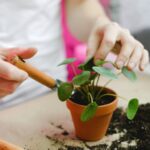
Repot plants every 1-2 years or when roots become crowded. Choose pots slightly larger than the current ones and refresh the soil.
Adjust Care Seasonally
While indoor plants don’t face the same challenges as outdoor ones, seasonal changes still affect them.
– Winter: Light levels fall, so consider moving plants closer to windows or using grow lights. Reduce watering and feeding.
– Spring and Summer: Plants are actively growing. Increase watering and fertilising frequency.
– Autumn: Prepare for slower growth by gradually reducing care intensity.
Create a Routine
Consistency is key to indoor garden success. Set reminders to check, water, and care for your plants regularly. Over time, you’ll become familiar with their unique needs and cues.
—
Maintaining a healthy indoor garden is a rewarding experience that brightens your home and boosts your well-being. By selecting the right plants, providing adequate light, watering thoughtfully, and adjusting care with the seasons, your plants can thrive throughout the year. With a little attention and patience, your indoor garden will flourish no matter the time of year. Happy gardening!