
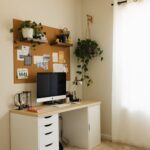


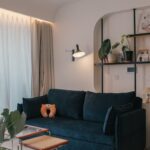
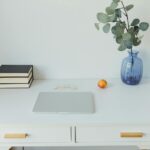
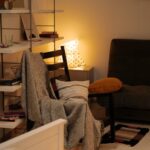
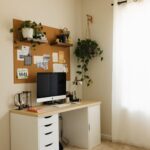


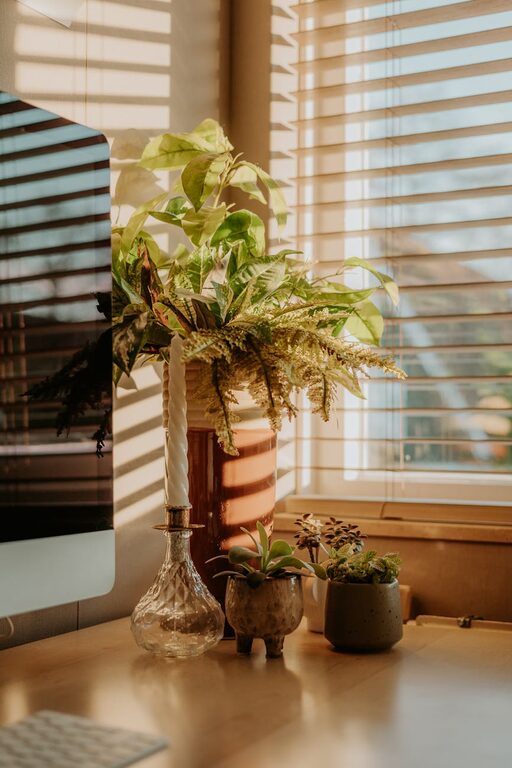
Creating a home office space that is both relaxing and productive can significantly impact your work performance and well-being. Whether you work remotely full-time or occasionally need a quiet spot to focus, a thoughtfully designed workspace helps you stay motivated while feeling comfortable. In this post, we’ll explore key tips to help you transform any area into an efficient and calming home office.
Choose the Right Location
Your home office location sets the foundation for your work environment. Aim for a quiet corner or room with minimal distractions. Ideally, select a spot with natural light to help elevate your mood and reduce eye strain.
– Avoid high-traffic areas where interruptions are common.
– If possible, create a dedicated space rather than working in communal areas.
– Consider the view; even a small window with greenery outside can be soothing.
Invest in Comfortable and Ergonomic Furniture
Comfort is crucial to staying productive without experiencing strain or discomfort. Prioritise ergonomic furniture that supports your posture and reduces fatigue.
– Choose a chair with adjustable height, lumbar support, and cushioning.
– Opt for a desk that suits your height and allows enough space for your computer and accessories.
– Consider a sit-stand desk if you prefer to alternate between sitting and standing.
Declutter and Organise Your Workspace
A tidy and organised desk helps clear your mind and improves focus. Keep only essential items within reach and organise paperwork and supplies effectively.
– Use storage solutions like drawers, shelves, or desk organisers to minimise clutter.
– Label files and containers for easy retrieval.
– Allocate specific spots for frequently used items such as stationery, chargers, and notebooks.
Personalise with Calming Decor and Colours
Your surroundings influence your mood and productivity. Choose calming colours and personal touches that make the space inviting but not distracting.
– Soft hues like blues, greens, or neutrals promote relaxation.
– Add plants to improve air quality and bring a natural element indoors.
– Display artwork or photos that inspire you without overwhelming your senses.
Optimise Lighting for Comfort and Efficiency
Proper lighting reduces eye strain and sets the right atmosphere for work.
– Maximise natural light during the day by positioning your desk near windows.
– Use adjustable desk lamps with warm or neutral light for evening hours.
– Avoid glare on screens by angling your monitor away from direct light sources.
Minimise Noise and Distractions
Reducing noise and interruptions helps maintain concentration.
– Use noise-cancelling headphones or play gentle background music if helpful.
– Close doors or use room dividers if others are nearby.
– Inform household members of your work schedule to set boundaries.
Incorporate Technology Thoughtfully
Your tech setup should support smooth workflow without causing frustration.
– Ensure a reliable internet connection and sufficient power outlets.
– Keep cords organised with clips or sleeves to prevent tangling.
– Use dual screens or ergonomic keyboards if they improve your efficiency.
Create a Routine and Comfortable Atmosphere
A dedicated workspace should feel inviting to encourage regular use.
– Keep a favourite mug, a cosy blanket, or a small diffuser with calming scents.
– Take regular breaks to stretch or move around to prevent fatigue.
– Establish start and finish times to help separate work from personal life.
Keep It Flexible and Adaptable
Lastly, as your needs change, allow your home office to evolve.
– Rearrange furniture or try new layouts to keep things fresh.
– Swap out decor seasonally to maintain inspiration.
– Regularly assess your setup and update it for optimal comfort and productivity.
—
By following these tips, you can create a home office that supports both relaxation and productivity. A well-planned space keeps you motivated, reduces stress, and makes working from home an enjoyable experience. Start small with one or two changes and build your ideal workspace gradually. Happy working!